What Feudalism in a QR Code Looks Like
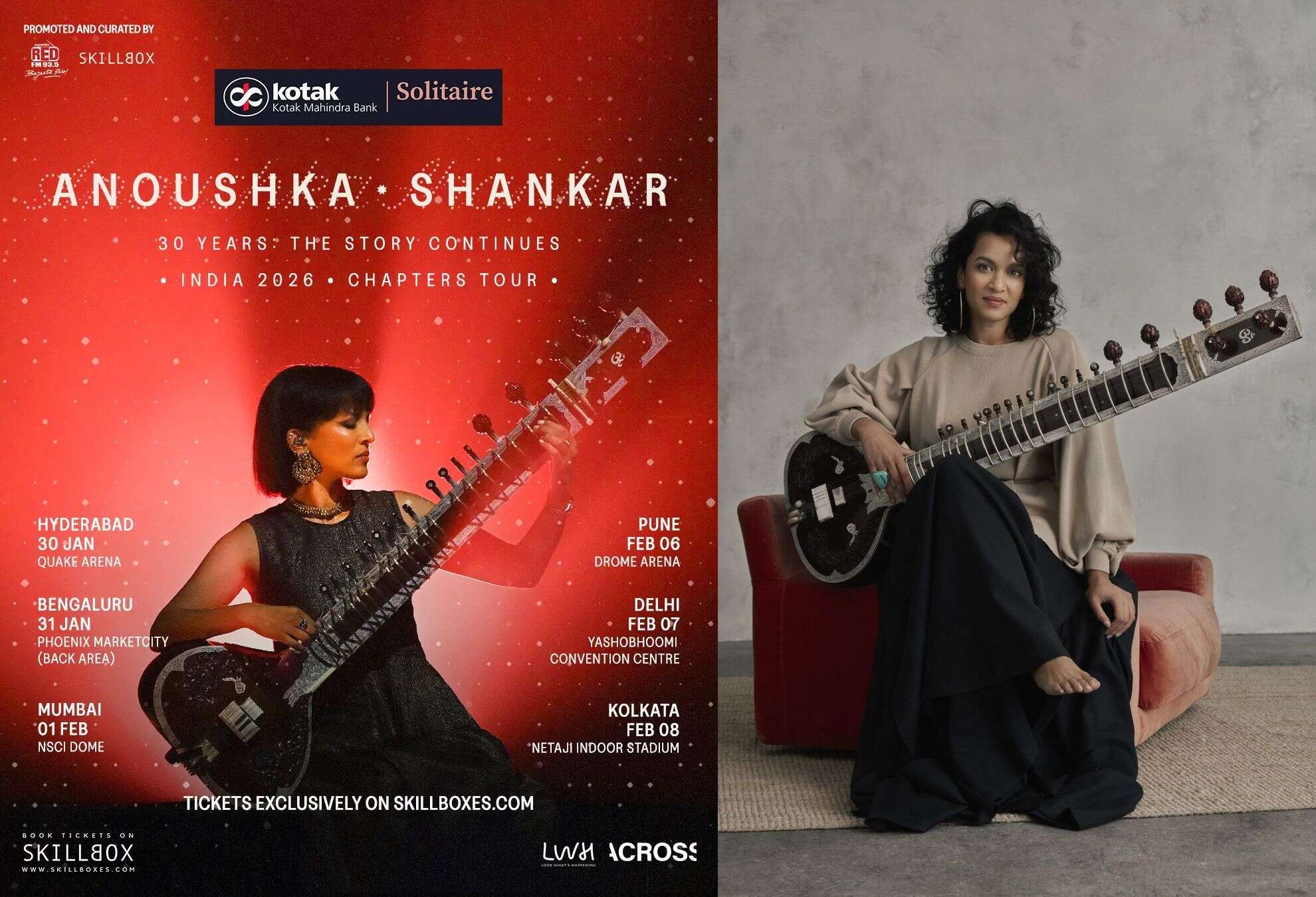
There is something uniquely Indian about paying a super-premium price for a VIP ticket and still being made to feel like a gatecrasher at your own expense.
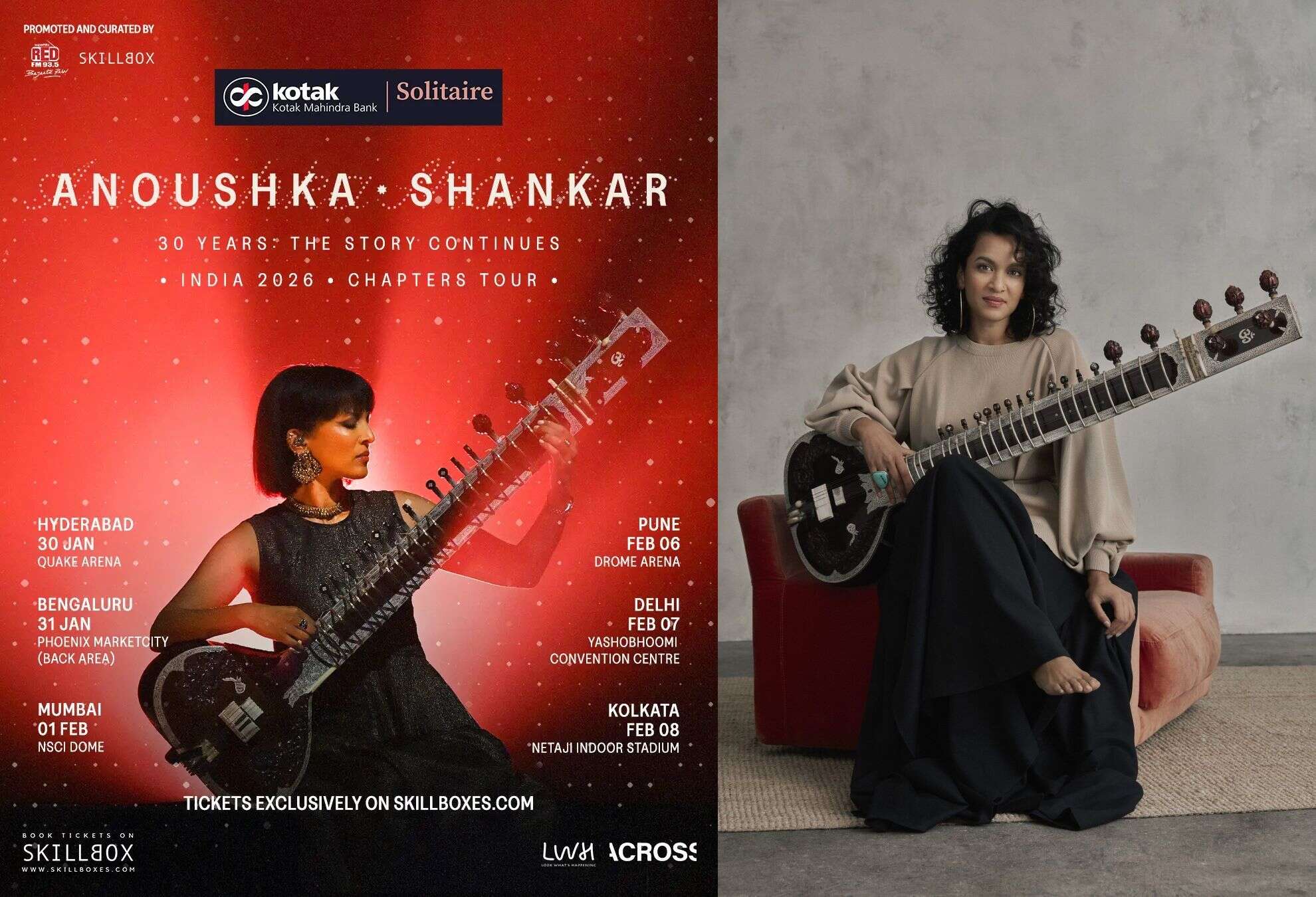
That was the experience at Anoushka Shankar’s Chapters Tour 2026 concert at Yashobhoomi, with tickets sold by SkillBox. The ticket promised “first come, first serve”. What it delivered was first come, first disoriented. You arrived early, followed instructions, behaved like a disciplined, law-abiding, middle-class citizen who still believes rules mean something. And then you walked into a hall where most of the good seats were already occupied.
Not by other early arrivals, but by handbags, shawls and water bottles, carefully placed symbols of territorial ownership. Seats were being “held” for people who had not yet arrived and might never arrive on time.
In India, physical absence has never been a barrier to entitlement. The only VIP seats left were on the extreme edges of the stage, where the performance looked less like a concert and more like a distant cultural broadcast. You were present in body, but excluded in experience.
Very soon, the pattern became clear. Large sections had been quietly blocked for “friends and family”. That, in itself, is fair. Every artist deserves to accommodate their close circle.

The problem was that many of these seats were occupied not by family or friends, but by secretaries to the government, senior bureaucrats, protocol guests, and assorted power-adjacent citizens. They arrived fashionably late, walked in calmly, and found a squatter to remove. They did not scan for empty seats or negotiate with volunteers. Seats appeared for them. Because in India, authority does not look for space; space rearranges itself for authority.
This is not an attack on individual officers. Many are courteous, civilised, and genuinely interested in music. This is a critique of a system where designation automatically outranks payment. It is a culture in which public events quietly become semi-official functions. It is a mindset where taxpayers fund the venue, customers fund the show, and power enjoys the best view. We have normalised this hierarchy so deeply that no one even finds it strange anymore. It is feudalism with QR codes.
Now to the organisers.
If you are selling “VIP” tickets at super-premium prices, you are not selling atmosphere or vibes. You are selling sightlines, proximity, and dignity. You are making a promise that the customer will not be treated like surplus inventory. Blocking prime seats for “internal allocation” while monetising the leftovers is not logistics. It is organised indifference, a way of saying that the customer matters only until someone more important turns up. This may work at weddings and political rallies. It does not work at paid cultural events. Here, the paying audience is not an inconvenience; it is the business model.
To the artistes.
You may not design seating charts or control ticketing platforms. You may not supervise ushers. But you perform within the ecosystem that these systems create. When your closest audience is curated by protocol and your real listeners are pushed backwards, something is quietly lost. Music depends on intimacy, on visible engagement, on energy flowing between stage and seats. No serious artist wants to perform to designations instead of listeners. Artists can insist, gently and firmly, that the front rows belong to people who came for the music, not for the optics.
The solution, incidentally, is embarrassingly simple.
Number the seats. Print the numbers clearly and honour them strictly. Enforce them without negotiation. That is all.
No “Sir, please adjust”. No volunteer diplomacy or last-minute reshuffling. No moral pressure on paying customers to behave “cooperatively”. If a ticket says A12, it means A12. Whether you paid for it, were gifted it, or arrived in a vehicle that says “Satyamev Jayate”. Equality through typography. It works in airplanes, in cinemas, in stadiums. It should work here too.

Because culture is not charity; it is a transaction. When someone buys a ticket, they are investing in art. They are offering time, money, and attention, and deserve to be treated as patrons, not placeholders. Indian audiences are remarkably patient. They tolerate bad parking, late starts, weak acoustics, and overpriced coffee. What they do not forget is humiliation. Being quietly told, through seating arrangements and subtle signals, that they paid but do not really matter.
And next time, they do not protest. They simply stop coming.
Which is the most expensive feedback any organiser can receive.
Disclaimer
Views expressed above are the author’s own.
END OF ARTICLE