Iran war hots up again. Here’s how to make a policy that can insulate India better from energy shocks
A two-week ceasefire, that stretched to two months, may have lulled us into believing the worst was over. But fresh strikes between Israel and Iran have again exposed the fragility of West Asia and global energy security. Oil has ticked up, and it might pinch our pockets again. This is a risk we have to live with, because alternatives – EVs, and biofuels like ethanol and compressed biogas – aren’t ready yet. Yes, all our petrol is blended with 20% ethanol, but note how controversial it is, for a reason.
Most of our cars and bikes made over the past 15 years were designed for only a 10% blend. Outside Delhi and its neighbourhood, even older vehicles are widely used. So, regardless of how much ethanol India can make, we, as consumers, aren’t ready for it. Contrast this with Brazil, where any day now, govt is expected to increase mandatory ethanol blending from 30% to 32%. It’s not a problem there, because the vast majority of Brazil’s vehicles have been flex-fuel since 2003. They can deal with any ethanol blend, from 0-100%.
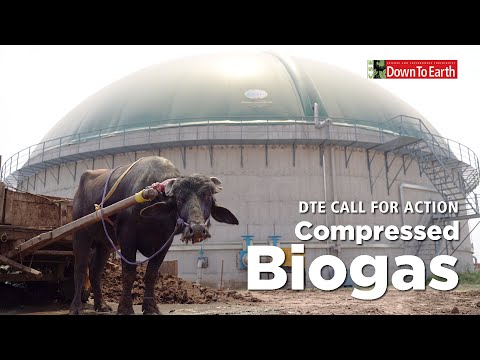
Brazil could do this because, in 2003, EVs were still in the future. So, its automakers’ bet on flex-fuel systems, and the ethanol industry’s investments in capacity, paid off. Will the same bets work in India now, when electric vehicles are becoming popular? Last fiscal, 4.5% of all cars sold in India were electric. What if rising fuel prices raise their share to double digits this year? If the future is electric, is an ethanol push worthwhile, especially when it requires heavily subsidised fertilisers? And what about farmers? They’re getting good rates for sugarcane and corn to make ethanol today, but what will they do when demand for petrol-ethanol blends starts tapering? Biogas is another option, but current capacity is negligible. How many years will industry take to scale up, and substitute imported CNG?
That’s why making India’s energy policy today is like hitting a moving target, but it has to be done. The main lesson from this war is clear – we have to reduce dependence on imported hydrocarbons. Making fertilisers with coal, instead of imported gas, is doable, as China has shown. Similarly, turning organic waste into biogas has no downsides. How we power our vehicles tomorrow is the tricky part. This can’t be left to bureaucrats. Govt should consult industry and researchers to make a long-term plan, and then implement it rapidly.

https://www.sciencedirect.com/science/article/abs/pii/S0360544215000225
Disclaimer
Views expressed above are the author’s own.