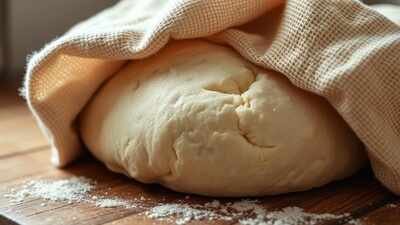

A gentle magic is at play when you leave dough to rest in the kitchen. For home bakers, the process of proofing is an exciting process where flour and water turn into a living entity. One of the biggest hurdles to a successful bake at home is beating the dry air.It is a common frustration to uncover your dough only to find a leathery, dry skin has formed on the surface, preventing it from rising properly. While modern kitchens are full of plastic wraps and specialised lids, a growing community of artisanal bakers is returning to a simple, centuries-old tradition: the damp kitchen cloth.Putting a clean piece of fabric over the bowl serves a purpose other than simply concealing the rising dough. It actually helps create an ideal climate where the biological processes involved in the fermentation stage can occur. The material used is somewhat protective yet breathable to allow the dough to expand freely, without being affected by any drafts of dry air that would steal its precious moisture and result in an excessively thick and dark crust.The biological shield for better risingThis particular step is important due to one crucial aspect of the process involved, which is the transfer of moisture from the dough surface. Leaving it uncovered causes the moisture to escape from it very fast, creating a sort of crust that prevents the yeast from doing its job properly.Effect of Proofing on the Rheology and Moisture Distribution of Corn Starch-Hydroxypropylmethylcellulose Gluten-Free Dough is the title of the paper published in Foods that explores the relationship between hydration and texture. It demonstrates that the final distribution pattern of moisture will determine the elastic behaviour of the dough and its softness.The balancing of proper hydration requires great caution. If the dough becomes dry, it would be impossible for the dough to stretch, which is referred to scientifically as extensibility. This principle can be explained using the scientific paper titled Divergent temperature regulation of dough sheet extensibility driven by moisture threshold during mixing, which was published in the journal Food Chemistry.The use of fabric is a convenient method to maintain a uniform temperature when proofing. With the use of uniform temperature, the dough will rise, indicating good baking skills.
 Properly maintained cloths, like smooth linen or polyester, are crucial for optimal results.
Selection of the proper material when proofingAll materials may not be created equally in the protection of the dough. Most individuals use whatever tea towels they have at hand, but the type of material affects the dough in its resting phase. This was studied in the paper Ageing proving cloths – Effects on surfaces and usability in the Journal of Food Engineering.The researchers discovered that as clothes age and are laundered, their surface fibres change, which can affect how much the dough sticks to them. Smooth polyester or finely woven linen often outperforms rough cotton because they allow the dough to “breathe” without snagging the surface.For best results, moisten the cloth slightly with some water before placing it on top of the bowl. The slight moisture will mimic the atmosphere present in those large proofing ovens utilised in professional bakeries.It is also important to maintain your proofing cloths by brushing off excess flour and avoiding heavy detergents that could leave a scent behind. As noted in the study Time-dependent adhesion behavior between dough and contact surfaces in bakeries, also from the Journal of Food Engineering, keeping your contact surfaces clean and smooth is vital for preventing dough damage during the rising process.While this tiny tweak will help make better bread, it will also point you down a path to more sustainable baking practices. Choosing cloth over plastic bags means less garbage is produced and helps keep alive an old baking wisdom, one that recognised that time, along with linen, was essential to achieving success.Good bread begins by understanding the living reality of the ingredients that you use. If you allow your dough to relax in an environment that is protected, you provide yeast with the necessary breathing space. The next time you place your dough to rise, use a piece of fabric instead of plastic. You will notice a softer texture of the loaf, a consistent crust, and your kitchen will smell like a baker’s paradise.