Dissent and protest are pillars of democracy
There’s no democracy without a right to dissent. And right to dissent is not a five-yearly concession, available only on voting day. Citizens may disagree with govt on any issue, at any time. But how? Not by grumbling at dinner tables. That’s why freedom to protest publicly, without harming others, of course, is respected in all genuine democracies. It’s been described as a pressure valve that prevents violent upheavals. Article 19 of our Constitution guarantees it, although imperfectly, through freedom of speech and expression. But police, across states, have been showing a rising tendency to suppress it.
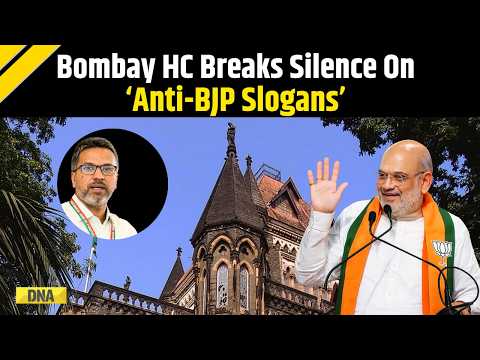
That’s why Bombay HC judge Madhav Jamdar’s remarks, while quashing an order to “extern” a citizen, are timely and significant. The judge reminded Maharashtra Police that “mere opposition to a govt decision” can’t be grounds for punishment. Because if protest is criminalised, the question arises: “Are all citizens being made slaves?”
Independent India is a nation born of sustained nonviolent protest. Unlike America, which is celebrating its 250th Independence Day today, we didn’t go to war against the British. So, protest should have greater sanctity in our public life. If it doesn’t anymore, we should ask why. Is the contract between electors and elected broken? Is accountability off the table? While suppression of dissenters by police is disturbing, all political parties’ failure to correct it is the real cause for concern. Because it signals that such clampdowns are alright.
As a nation, we are lucky to have a tradition of dharna, morcha, and other forms of peaceful protest. Research by Harvard Kennedy School professor Erica Chenoweth shows peaceful protests have been twice as effective as violent struggles. In fact, no peaceful protest supported by 3.5% of the population has failed in history. Clearly, protest is one of society’s intelligent regulatory mechanisms. We can use more of it.

https://www.opendemocracy.net/en/six-reasons-why-protest-is-so-important/
Disclaimer
Views expressed above are the author’s own.