A Kozhikode native working in Kolkata travels back to document what Kerala’s traditional art forms carry beneath the surface
In a state where traditional art forms are increasingly repurposed as visual motifs in pop culture—from themed merchandise to stylised cinematic sequences—the deeper histories and living traditions behind them risk being reduced to being overlooked. Seeking to bring that depth back into focus is ‘Natyakala’, a documentary by Jimsith Ambalappad that traces the evolution and diversity of Kerala’s indigenous performing arts.
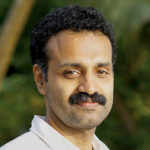
Jimsith, 41, is a gold factory worker from Kozhikode based in Howrah, Kolkata, who travels to Kerala every three months to pursue his work as a documentary filmmaker. His one-and-a-half-hour film centres on art forms including Theyyam, Kalaripayattu, and Kolkali, moving beyond treating these traditions as monolithic performances to highlight the variations shaped by geography and community practice.
On Kalaripayattu, the film draws on two prominent Kalari groups from north and south Kerala. “It explains both the similarities and stark differences between these traditions,” Jimsith says, pointing to variations in Kalari Vanakkam—the greeting ritual—as well as differences in movement, stance, and gesture.
The documentary also challenges common assumptions about Kolkali. While the form is widely associated with Islamic traditions, ‘Natyakala’ documents its practice among Hindu communities in Payyannur and traces similar elements within the state’s tribal traditions. Jimsith notes that during the coronation period of Arakkal Ali Raja, a figure named Paithal Marakkar altered the tune and tempo of Kolkali, shaping the form as it is known today. In earlier Hindu practice, a lamp placed at the centre of the performance was later replaced by a mortar. “Local legends in Payyannur also link Kolkali to stories of Lord Krishna,” he says.
‘Natyakala’ has been screened at the International Folklore Film Festival and was recently shown at a free public screening at Kairali Theatre in Kozhikode, organized by the Kerala State Chalachitra Academy. In a significant development, the Malayalam Mission, a Kerala govt initiative that promotes Malayalam language and culture through 186 centres across India and in 41 countries, has decided to screen the documentary across its chapters, taking it to expatriate Malayali communities worldwide.
“I am thrilled to be part of the Malayalam Mission initiative. It will help carry the legacy of these art forms to audiences far beyond Kerala,” Jimsith says.
He is currently working on a book on Malayalam theatre, examining its evolution and key contributors to contemporary practice.
His work has earned him several recognitions: The Mahakavi Moyinkutty Vaidyar Mappila Kala Academy Award (2022), the Dr Ambedkar National Award for Young Director (2024) by the Bharatiya Dalit Sahitya Academy, and the Malayalam Mission Language Talent Award (2025).
Disclaimer
Views expressed above are the author’s own.
END OF ARTICLE