Both US and Iran are running low on missiles. That may put a limit on how long hostilities can continue
One important thing to watch in the conflict between the United States and Iran is how many weapons each side has left.
At its simplest, war often comes down to math: How many missiles and launchers does a country have, and how quickly can it make new ones? As the United States and Iran continue attacking each other, the fighting may depend on how many missiles, launchers, and interceptors each side still has. Interceptors are weapons used to shoot down incoming missiles.
Iran’s missile system has been badly damaged since the war began. One estimate from last month said Iran had lost between one-third and one-half of its ballistic missiles, as well as about half of its missile launchers. That is a major loss.
However, no one knows exactly how many missiles Iran had before the war. For years, experts believed Iran had more than 3,000 missiles of different ranges. But between 2024 and 2026, Iran fired about 2,200 to 2,400 missiles. This suggests Iran may have had more missiles than people previously thought.
Iran’s ability to build new missiles has also been seriously damaged. The US military told Congress that about 85% of Iran’s factories and other facilities used to make ballistic missiles, drones, and naval defence equipment had been destroyed. If the war continues, even more of these facilities could be damaged.
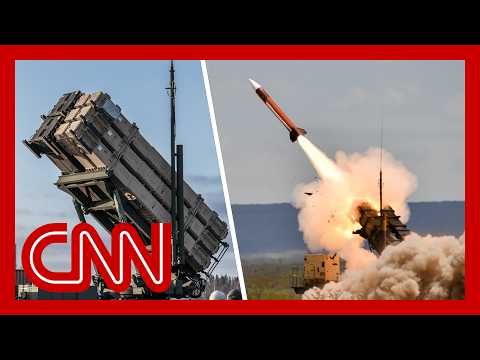
The United States is also running low on some weapons. By the time the large-scale fighting paused in April, the US had used about half of its THAAD missile interceptors, nearly half of its Patriot air-defence interceptors, and around 30% of its Tomahawk missiles.
These weapons are not replaced quickly. The US can currently produce about 15 Tomahawk missiles and 20 Patriot interceptors each month. No new THAAD interceptors are expected to be delivered this year.
President Trump used a law called the Defense Production Act in June to increase missile production. But building new factories takes time. For example, Japan needed three years to build a factory that produces Patriot missiles.
The United States must also keep enough weapons for possible conflicts in other parts of the world, especially in the Indo-Pacific region, where it is trying to counter China.
The fighting could continue using drones and other weapons. However, both the United States and Iran appear to be running low on missiles. That could place a serious limit on how long the conflict can continue.
Disclaimer
Views expressed above are the author’s own.