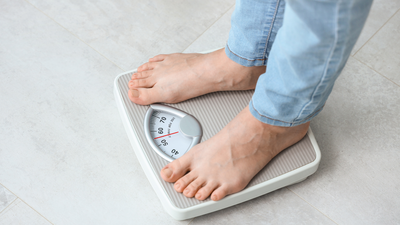

For some people, checking their weight is as routine as brushing their teeth. The scale sits quietly in the corner of the room, yet it can influence moods, confidence, and even the way someone chooses breakfast. A slight increase of half a kilogram may ruin an entire day, while a drop can bring relief. It is a strange relationship. Emotionally, sometimes frustrating, but surprisingly common.Psychologists say that constantly checking weight does not necessarily mean a person is paranoid. In many cases, it reflects something far more human: the desire to understand what is happening inside the body and to feel in control of it.
It is often about seeking certainty, not fear
Human beings naturally dislike uncertainty. Not knowing whether they have gained or lost weight can create discomfort. The number on the scale becomes a source of reassurance. It provides something measurable in a world where stress, work, relationships and health often feel unpredictable.Psychologists have long recognised that people seek information to reduce uncertainty. Weight, unlike emotions or stress levels, offers a number that appears objective and easy to understand. That desire for certainty should not be confused with paranoia.In fact, research supported by the National Institutes of Health (NIH) has shown that regular self-monitoring, including self-weighing, may help people adopt healthier habits and maintain weight loss.The key point is that checking weight is not always driven by fear. Sometimes, it is simply an attempt to stay informed.
For many people, the scale represents control
Life rarely follows a script. Deadlines pile up. Sleep suffers. Stress increases. In such moments, people often focus on things they can control. Food intake, exercise and body weight become measurable targets.Psychologists describe this as a search for control. It is one reason why some individuals become very consistent with their weighing habits. There is comfort in routine.However, experts also stress that control should serve health, not dominate it. A scale should be a tool, not a judge.

For many people, it reflects a need for certainty, control, reassurance, or a desire to stay on track.
Sometimes, emotions hide behind the numbers
Weight itself is rarely just about kilograms. It often carries memories, expectations and insecurities.Someone who struggled with obesity in the past may check their weight because they fear returning to old habits. Another person may associate thinness with success or acceptance. Others simply want reassurance that their hard work is paying off.Yet many people unknowingly let a number define how brightly they feel that light is shining.Psychologists warn that when a person’s mood rises and falls entirely according to the scale, it may signal deeper concerns related to body image or self-esteem. That does not mean the person is paranoid. It means emotions have become attached to the measurement.The National Institute of Diabetes and Digestive and Kidney Diseases (NIDDK), a part of the US government, notes that body weight is influenced by several factors beyond diet alone, including genetics, hormones, lifestyle and sleep.A number on the scale tells only one part of the story.
Daily weighing can help some people, but not everyone
There is no universal rule.That is important because health habits are deeply personal. For one person, stepping on the scale each morning is motivating. For another, it may create stress or encourage unhealthy thinking.Psychologists often encourage people to ask themselves a simple question:“Does weighing myself help me feel healthier, or does it make me feel worse?”The answer matters more than how often the scale is used.
Health is bigger than a number
Body weight naturally changes throughout the day and across different phases of life. Water retention, hormones, salt intake, sleep and even stress can influence the number on the scale. None of these changes necessarily reflect body fat or overall health.A person who walks daily, sleeps well, has good blood pressure and feels energetic may be healthier than someone who is fixated on achieving a certain number.The quote feels surprisingly relevant to modern wellness.Weight matters. But so do strength, mobility, mental peace, healthy relationships and joy. These cannot be measured in kilograms. Sometimes, the healthiest thing a person can do is remember that the scale is just one instrument among many. It should inform life, not control it.Disclaimer: This article is intended for informational purposes only and should not be considered medical or psychological advice. Regular self-weighing is not inherently unhealthy, but if thoughts about weight begin to cause distress, anxiety, extreme dietary behaviours or affect daily functioning, consulting a qualified healthcare professional or mental health expert is recommended. Individual needs and experiences may vary.