Last June, during a visit to New York, I found myself in the middle of an unabashed love affair with matcha. It reigned supreme—spilling out of cafés and colonising menus with quiet authority. From lattes to macarons, crepes to ice creams, everything wore a fashionable shade of green.
First-timers often looked faintly betrayed after the first sip, wondering if this grassy concoction was indeed intentional, while connoisseurs nodded knowingly—matcha, like all things elite, was to be acquired, not instantly adored. Almost overnight, Asian teahouses sprouted across bustling streets, complete with traditional crockery, delicate bamboo whisks, and a ceremonial seriousness that made every cup feel like a cultural initiation.
But trends, much like empires, are fleeting. And guess what? This year, matcha has been politely dethroned.
On my visit to the US last month, I encountered its successor—Ube. Coffeehouse windows glowed in regal purples, proudly showcasing this Filipino sweet potato in every imaginable form.
Smooth, vibrant, and far more immediately agreeable, Ube has swept into the culinary scene with theatrical flair, leaving matcha to quietly retire among the once-trendy flavours of yesterday, much like caramel, hazelnut, orange zest, pistachio and so on.
Trade analysts are already raising an eyebrow at Ube’s meteoric rise, warning that this humble Filipino root, once content in local dessert shops, may soon struggle to keep up with its own fame. Scarcity, it seems, is the price of popularity.
Meanwhile, influencers are in a state of caffeinated urgency, scrambling to sip, sample, and summarise.
Armed with ring lights and exaggerated delight, they’re busy decoding Ube for the masses—declaring it “marshmallow-soft,” “vanilla with ambition,” “fruity-nutty,” and the ever-mysterious “cereal milk.”
Before long, Gen Alpha will be queuing up outside patisseries and cafés, phones poised, capturing perfectly curated reels, hands wrapped around frothy purple lattes or clutching violet-tinted pastries.
It won’t just be about taste; it will be a full-blown performance. Each shot, each sip, will be an entry in an unspoken competition, to outdo, outstyle, and outshine, because in this race, the coolest kid on the block isn’t the one who savours the flavour, but the one who frames it best.
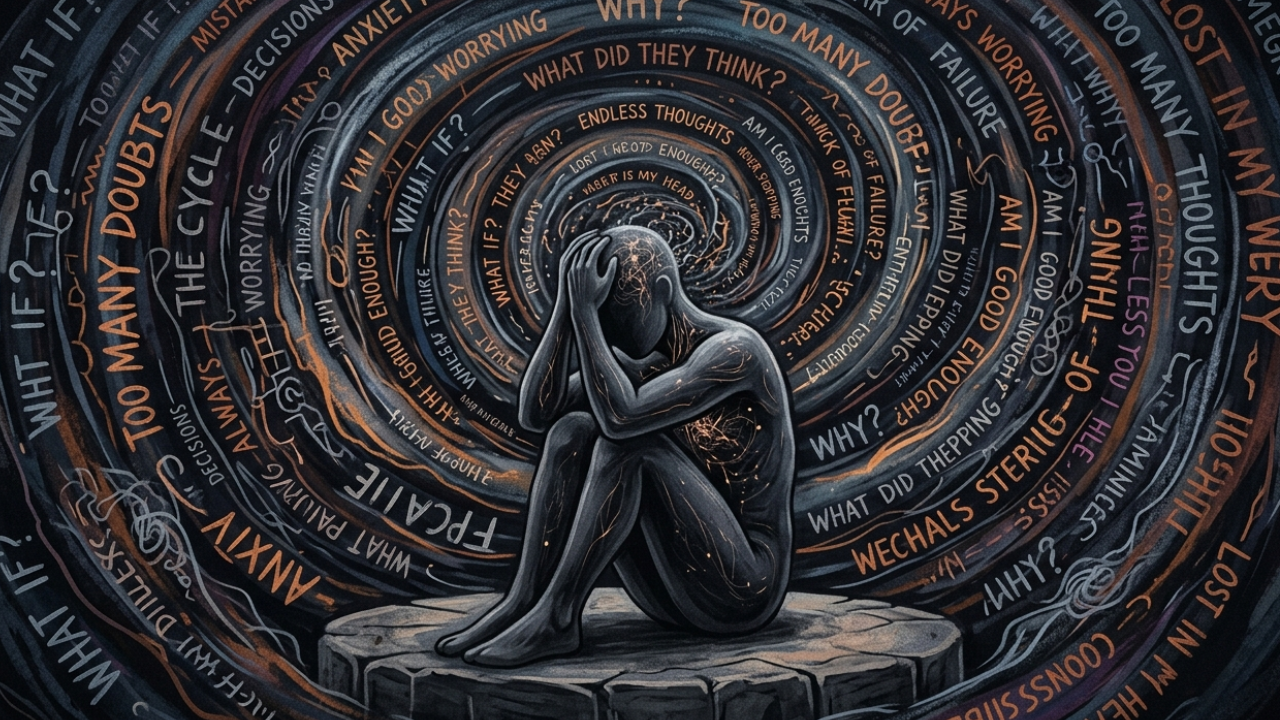
As I watch this entire spectacle unfold, a quieter, more contemplative part of me begins to wonder—what lies beneath this sudden surge of ‘taste consciousness’? Is there a flip side to all this flavour hype?
The answer is— Plenty—and it’s not all purple-tinted charm.
For starters, trends like these tend to flatten nuance. Ube, with its long cultural history in the Philippines, risks being reduced to an Instagram-worthy aesthetic—its story overshadowed by its colour. What was once a local staple becomes a global fad, often stripped of context and authenticity.
Then comes the economics of hype. A sudden surge in demand can strain supply chains, driving up prices and making the ingredient less accessible to the very communities that have nurtured it for generations.
There’s also the fatigue factor. Today’s “flavour of the year” is tomorrow’s clearance shelf item. In the rush to keep up, cafés churn out versions that prioritise novelty over quality, leaving behind a trail of mediocre imitations.
And finally, there’s the influencer echo chamber—where exaggerated descriptions and performative enthusiasm blur the line between genuine appreciation and trend-chasing. The speed with which we consume and discard already carries the seeds of tomorrow’s indifference.
So yes, behind the frothy excitement lies a quieter question: are we tasting the flavour, or merely consuming the hype?
Perhaps the real question is not what we are tasting, but why—and for whom.
Disclaimer
Views expressed above are the author’s own.
END OF ARTICLE