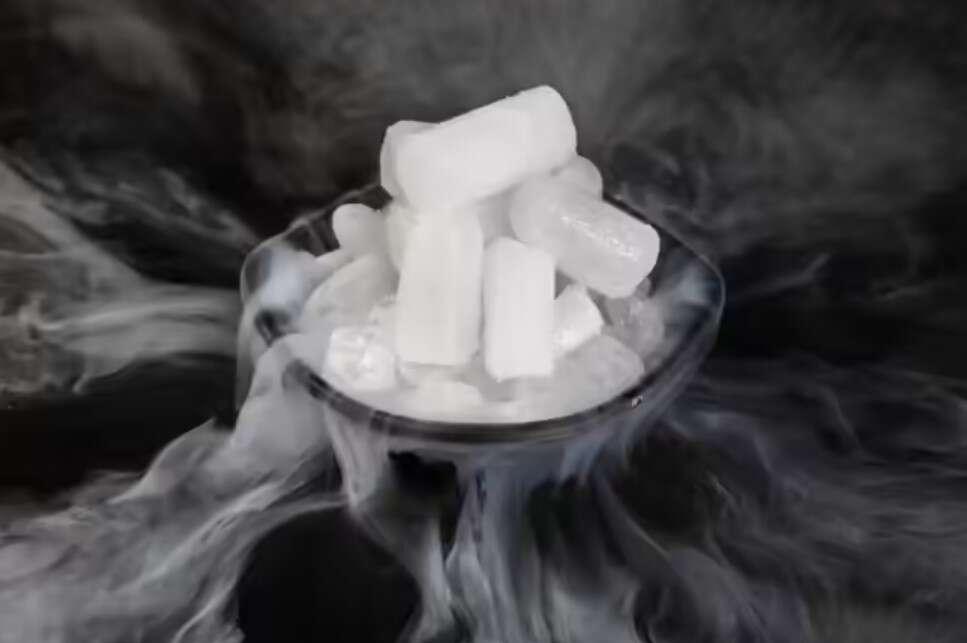
Dr Herbert Samuel Elworthy, who lived in Bandra in the 1890s, was a keen hunter. Living in what was then the margin of Bombay, he could easily go for shikaar. But there was one problem: It was hard to get a cold drink out in the field.


Elworthy knew about the solid form of carbon dioxide, which had been created many decades ago, but was mostly seen as a laboratory curiosity. He figured that adding it to water would both cool and carbonate it, giving him instant chilled soda water. Remarkably, this was one of the first times a practical use was found for dry ice, as solidified carbon dioxide would come to be called, and Elworthy took out a patent for this use.
He was ahead of his time. Dry ice really only took off in the 1920s, when rapidly expanding supply systems for meat by rail (from the American Midwest) or ship (from Argentina) increased demand for refrigeration. Dry ice cooled, but even more usefully, it sublimated to gas without leaving the watery residue of regular ice, which was messy and a breeding ground for bacteria. Memories of Elworthy’s Indian innovation remained — The Times of India archive mentions it — but the benefits were reaped in the West.
Covid made dry ice important because vaccines had to be transported where refrigeration was uncertain. The Hormuz crisis has made it important again, as the West faces surging prices due to a carbon dioxide shortage, which threatens their cold chains.
Dry ice is made from carbon dioxide that is a cheap by-product of petrochemical processing. From cooking gas to helium (from Qatar, used in MRI machines), to airline fuel to supermarket cold chains, the Hormuz fallout offers fascinating insights into the workings of the world.
It is also a reminder that, while we think of foods in terms of liquids and solids, gases matter too. We use petroleum gases to heat (PNG, LPG) and refrigerant gases (ammonia, hydroflurocarbons) to cool. Nitrous oxide injected under pressure with cream in cans froths up whipped cream when ejected from a nozzle. Nitrogen is used as a preservative in packaging, its inertness preventing destruction from oxidation.
A mango grower who takes pride in only growing naturally tree- ripened fruit told me that he bought second-hand boxes from wholesale sellers and was shocked to find pouches of calcium carbide inside. When calcium carbide is exposed to moisture, it releases acetylene, a highly flammable gas that also partially mimics ethylene, a naturally produced gas that helps ripen fruit. Some fruits, like bananas, release a lot of ethylene, which is why there are fruit bowls with a hook to hang bananas, so they don’t affect other fruit too much. The problem with using acetylene to mimic ethylene is that it does it only partially, resulting in the half-ripened fruit that is so common now. Someday we may see a major fire caused by inflammable mango boxes!
Salad bags involve some of the most sophisticated use of gases. American growers of salad leaves figured that the key to getting shoppers to buy more was to give them a mix of leaves — picked, washed and ready to eat. The problem was that leaves started to deteriorate fast after picking and chilling or flushing with nitrogen was either inadequate or damaged the delicate leaves. The answer was to devise semi-permeable plastic wraps that allowed specific gases to circulate, allowing the leaves to breathe naturally.
The bags were then filled with mixes of oxygen and carbon dioxide — with requirements differing with different leaf combinations — which allowed them to stay fresh for a couple of weeks. A salad bag is, essentially, a miniature modified atmosphere chamber, which you discard in the trash. The convenience of ready to eat salad comes with significant environmental costs. It is an amazing, and slightly insane, example of the technology that brings food and gases together.
Disclaimer
Views expressed above are the author’s own.