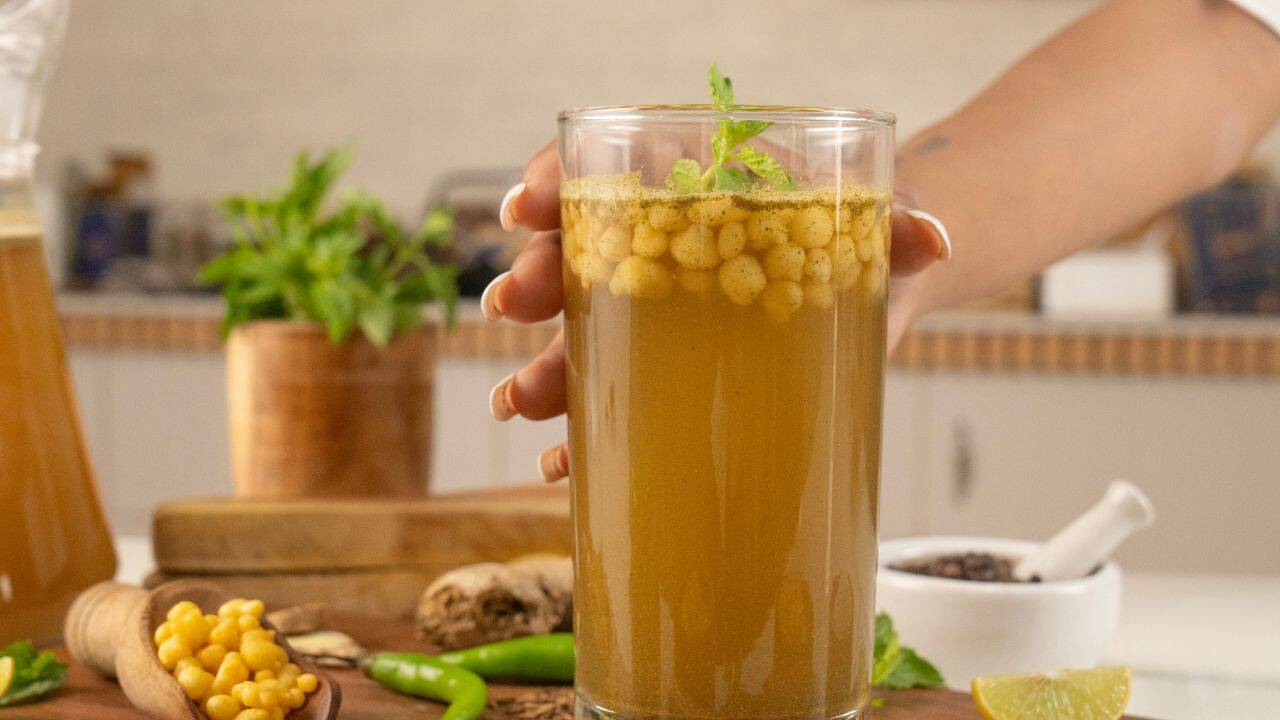


For years, India’s traditional regional drinks were dismissed as old-fashioned household staples, overshadowed by packaged juices, protein shakes, and trendy wellness beverages. But today, drinks like sattu sharbat from Bihar, chaach from North India, and ragi ambil from Maharashtra and Karnataka are making a remarkable comeback. From urban cafés to social media wellness pages, these age-old beverages are being rediscovered as natural solutions for hydration, digestion, gut health, and summer nutrition. What was once consumed out of habit and climate wisdom is now being celebrated as a “superfood” culture. Rich in nutrients, affordable, locally sourced, and deeply tied to regional food traditions, these drinks are increasingly being viewed as the ultimate antidote to modern lifestyle problems. Nutritionists, fitness influencers, and health-conscious consumers are all turning toward these indigenous beverages, embracing them as healthier alternatives to processed drinks loaded with sugar and preservatives. Yet, long before wellness trends and marketing buzzwords existed, these local drinks sustained generations through harsh summers, physically demanding work, and limited resources.

In this newsletter, we will explore how these regional beverages nourished communities for centuries, why they faded from mainstream conversations, and what is driving their powerful revival today.
Read more at: 5 regional Indian drinks to cool down this summer
Ragi Ambali

Ragi ambil has long been a staple summer drink in parts of Maharashtra and Karnataka, where it was traditionally consumed for its cooling, nourishing, and energy-boosting properties. Made from fermented ragi, or finger millet, mixed with water or buttermilk, ambil was especially popular among farming communities and laborers who needed sustained energy during long hours of physical work in hot weather. Naturally rich in calcium, iron, fiber, and probiotics, the drink helped keep the body hydrated, improved digestion, and provided slow-releasing energy without feeling heavy. Its fermentation process also made it easy to digest and beneficial for gut health, long before probiotics became a modern wellness trend. Affordable, locally sourced, and highly nutritious, ragi ambil reflected the deep traditional knowledge of regional diets that were designed around climate and lifestyle needs. Today, as people increasingly move toward millet-based foods and natural health drinks, ragi ambil is making a strong comeback as a wholesome alternative to processed beverages and artificial energy drinks.
Read full article: What is Ragi Ambali? Lesser known benefits of this summer delight
Sattu Sharbat

Sattu sharbat has been Bihar’s traditional powerhouse drink for centuries, valued for its ability to provide instant energy, cooling relief, and long-lasting nourishment in the region’s intense summer heat. Made from roasted gram flour mixed with water, lemon, spices, or jaggery, the drink became especially popular among farmers, laborers, and travelers because it was affordable, filling, and easy to prepare. In a state where physically demanding work and scorching temperatures were a part of everyday life, sattu sharbat acted as a natural energy drink long before packaged supplements entered the market. Rich in protein, fiber, and essential minerals, it helped people stay hydrated and full for hours while supporting digestion and stamina. Beyond its nutritional value, sattu also reflects Bihar’s culture of resourcefulness and simple living, where local ingredients were transformed into wholesome everyday nutrition. Today, as consumers search for healthier and more natural alternatives to sugary beverages, sattu sharbat is experiencing a revival and is increasingly being celebrated as one of India’s original superdrinks.
Read full article: Reasons why Sattu sharbat is a must try in this season
Chaas or Buttermilk

Chaas, or buttermilk, has long been the ideal drink for Punjab and Haryana because it perfectly suits the region’s hot climate, agrarian lifestyle, and dairy-rich food culture. Traditionally consumed after long hours of farm work under intense summer heat, chaas helped farmers stay hydrated, cool the body, and aid digestion after heavy meals rich in wheat, ghee, and dairy. Made from curd churned with water and often seasoned with roasted cumin, mint, or black salt, it provided a natural source of probiotics and electrolytes long before packaged health drinks existed. In regions where dairy farming has always been central to daily life, chaas became more than just a beverage — it evolved into a symbol of hospitality, nourishment, and rural wisdom passed down through generations.
Read full article: 10 reasons to drink buttermilk with lunch everyday

Disclaimer
Views expressed above are the author’s own.
END OF ARTICLE