Using secret information to make money may be legal, but is it fair?
Imagine this. In February, US President Donald Trump buys shares in a big computer company. In May, his government gives that company a defence contract worth $10 billion. The company’s share price shoots up, and the value of Trump’s investment more than doubles. Would that seem fair to you? It might be legal, but many people would still question whether it is ethical.
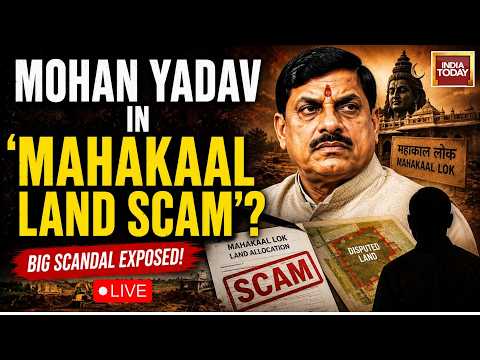
A similar question is being asked in a controversy in Ujjain, involving Madhya Pradesh Chief Minister Mohan Yadav, his family, and their real-estate companies.
It has been alleged that they bought 137 plots of land, covering 168 acres, in areas that were later chosen for infrastructure projects. Once those plans became public, the value of the land increased sharply. The owners stood to make a huge profit. Was it legal? Maybe. But was it fair?
In sports, business, and politics, people are expected to follow the rules of fair play. Using secret information to gain an advantage is often called “insider trading”. Imagine a horse race where the favourite horse is injured, but only its owner and trainer know this. If they bet on another horse instead, would the race really be fair?
Land prices can change dramatically when governments decide where to build roads, highways, universities, business parks, or other facilities. A piece of land may not be worth much today, but it can become very valuable if a major project is planned nearby.
Last month, a newspaper reported another possible example from Madhya Pradesh. It found that more than 50 people, including senior government officers from several states, bought land in Guradi Ghat village on the same day in 2022. Sixteen months later, a highway was approved just 500 metres away, and the land was reclassified from agricultural to residential use. Its value rose from about ₹82 per square foot to ₹557 per square foot in two years and is now said to be close to ₹3,000 per square foot.
Cases like this can happen in any state that is growing quickly. Politicians and government officials often know about future development plans before the public does. That gives them an opportunity to buy land before prices rise. The problem is that they may also be the people making the decisions about where roads, schools, parks, markets, airports, and even garbage dumps will be built.
When people can profit from decisions they help make, there is a conflict of interest. Even if such actions are legal, many would argue that they fail the test of fairness.
Disclaimer
Views expressed above are the author’s own.