The world changed on February 10, 1996, when a computer called Deep Blue beat chess champion Garry Kasparov. It may have changed last Sunday again in Beijing, when a human-shaped robot ran a half-marathon faster than any man ever has.
People knew robots would get this good one day — but not this quickly. Last year, the winning robot took 2 hours and 40 minutes to finish.
This year, the winner finished in just 50 minutes and 26 seconds, running at an average speed of 25 kmph. How fast will robots be next year? The liquid-metal robot chasing cars in the movie Terminator-2 doesn’t seem so impossible anymore.
Of course, some robots are already much faster. A driverless bullet train, for example, can go at 350 kmph. But we don’t feel threatened by trains.
Humanoid robots are different. They look like us, and that makes us think about what they might be able to do. A puppet that looks human doesn’t scare anyone.
But a robot shaped like a person, which can think better than us and move faster than us, feels worrying. For now, there aren’t many of them.
Only about 14,500 were sold worldwide last year, and most were made in China. But experts think this could change quickly. Some predict millions in the next decade, and even more — perhaps a billion — by 2050.
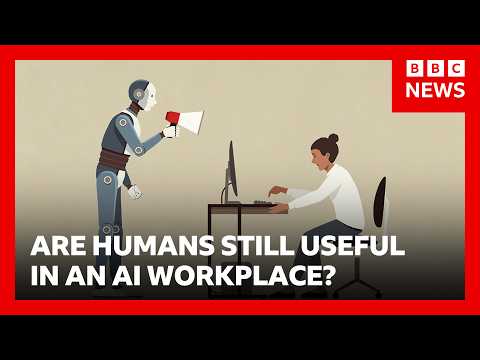
That could create a problem. If robots can work all day without getting tired, they might replace many human workers. Then what will people do?
When the word “robot” was first used in 1920, it meant “forced labour,” and people worried that factories were turning humans into machines. Now the fear is the opposite — machines might replace humans.
Some people hoped humans would still do caring jobs, like nursing. But tech companies are also building robots for that. Years ago, a robot called Sophia could make many facial expressions. Today’s artificial intelligence would make it much better at talking too.
Think about why humanoid robots have hands and fingers. They don’t need them to weld car parts in factories. They need them to use things made for humans — microwaves, dishwashers, TV remotes. They could change bedsheets, pour coffee, and help at home.
We might be grateful when they rescue people after earthquakes or fires. But as they become more capable, we will probably watch them carefully — and a little nervously.
Disclaimer
Views expressed above are the author’s own.
END OF ARTICLE