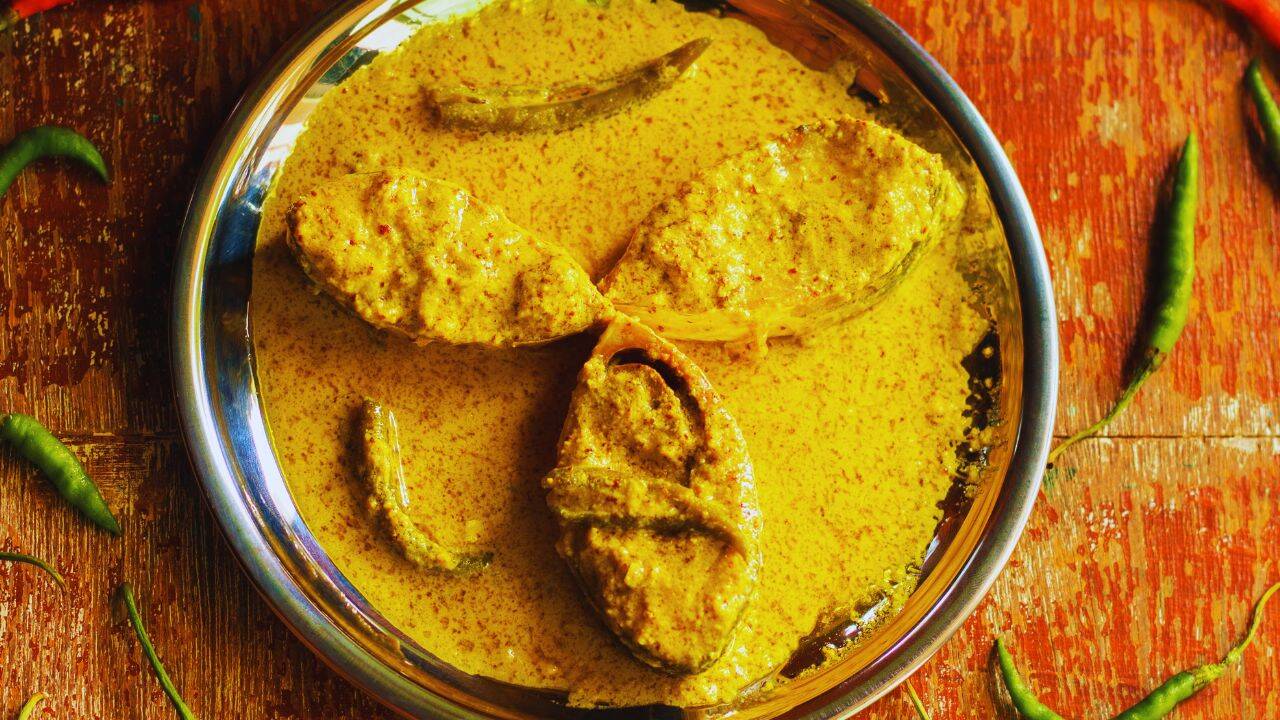


Bengali cuisine is more than a collection of recipes; it is a living expression of history, geography, culture, and memory. Shaped by the fertile plains of the Ganges delta, Bengal’s food reflects an intimate relationship with its rivers, seasons, and agricultural abundance. Fish, rice, mustard, and an extraordinary variety of vegetables form the foundation of a cuisine renowned for its balance, subtlety, and depth of flavour. Over centuries, Bengali food has absorbed influences from Mughal courts, European traders, Chinese immigrants, and colonial-era cafés, yet it has retained a distinct identity rooted in tradition. From the grandeur of festive feasts and aristocratic delicacies to the comfort of humble dishes prepared in family kitchens, every meal tells a story. Food occupies a special place in Bengali literature, music, and social life, serving as a bridge between generations and a repository of cherished memories.
Perhaps nowhere else is food so deeply intertwined with nostalgia. A simple aloo chop, a fragrant fish curry, a crisp kabiraji, or a delicate mishti can instantly transport one to childhood afternoons, family gatherings, and the warmth of home.

Through this newsletter, we will explore the rich heritage of Bengali cuisine—its history, iconic dishes, forgotten recipes, culinary traditions, legendary eateries, and the stories that make Bengal one of the world’s most fascinating food cultures.
Read more at: 10 famous foods from Bengal that define the cuisine
Kabiraji: Bengal’s Best Kept Secret


Few dishes capture Kolkata’s culinary heritage as elegantly as fish kabiraji. A beloved creation of the city’s colonial-era cafés and cabin restaurants, it reflects a unique fusion of European cooking techniques and Bengali flavours. The star of the dish is a delicate fish fillet, coated in breadcrumbs and enveloped in a lacy, golden web of beaten egg that gives kabiraji its distinctive appearance. Crisp, airy, and irresistibly light, it is traditionally served with kasundi mustard and a simple salad. More than a snack, fish kabiraji evokes memories of old Kolkata’s leisurely charm, where food, conversation, and nostalgia came together beautifully.
Read full article: How to make Kolkata-style fish kabiraji
Chicken cutlet-Bengal’s Colonial Legacy

The Bengali chicken cutlet is a delicious legacy of Kolkata’s colonial past, born in the city’s historic cafés, clubs, and cabin restaurants where British culinary influences blended seamlessly with Bengali tastes. Tender chicken is carefully seasoned, coated in fine breadcrumbs, and fried to a golden crisp, creating a perfect balance of texture and flavour. Served with pungent kasundi mustard, onions, and cucumber, it offers a distinctly Bengali experience. But its appeal goes beyond taste. For generations, the cutlet has been synonymous with visits to old-world cafés, family celebrations, and leisurely evenings, making it a beloved dish steeped in history, nostalgia, and culinary tradition.
Read full article: How to make chicken cutlet
Aloo Chop: Nostalgia wrapped in simplicity

Few foods capture the soul of Bengal quite like the humble aloo chop. Crisp on the outside and soft, spiced, and comforting within, it is far more than a simple potato fritter—it is a cherished memory served on a plate. Found in bustling street-side stalls, school canteens, evening addas, and family gatherings, aloo chop has accompanied generations through countless everyday moments. Its aroma evokes rainy afternoons, steaming cups of tea, and conversations that linger long after sunset. In its simplicity lies its magic: a taste that transcends time, connecting Bengalis to their childhood, their homes, and the warmth of a shared cultural heritage.
Read full article: How to make aloo chop at home


Disclaimer
Views expressed above are the author’s own.