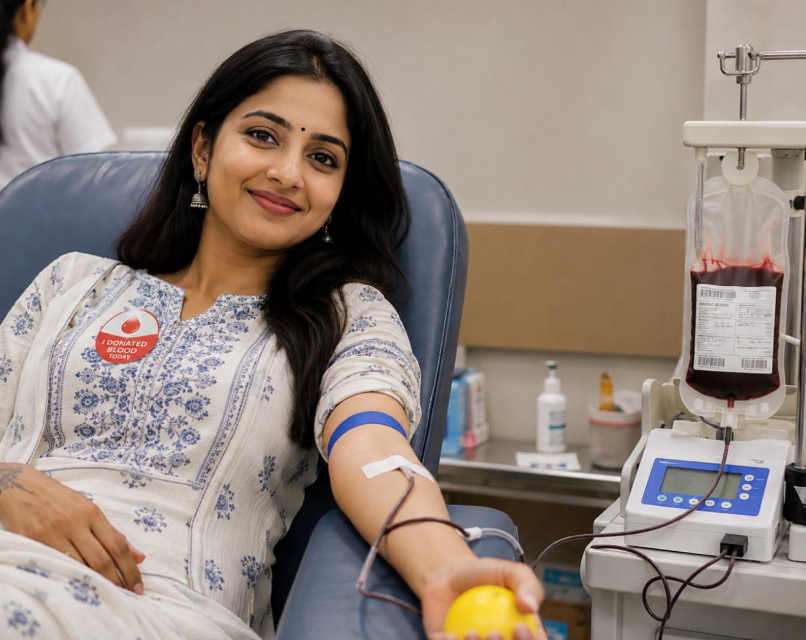
World Blood Donor Day is more than a symbolic observance. It is a global reminder that blood donation remains one of the most powerful and accessible acts of humanitarian service. In emergencies, surgeries, childbirth complications, cancer treatments, and chronic illnesses, donated blood often determines life or death.
In a world where medical technology continues to advance at breathtaking speed, one reality remains unchanged: blood cannot be manufactured. It can only come from healthy human donors willing to give.
That simple truth makes voluntary blood donors indispensable to healthcare systems worldwide, underscoring why this observance matters.
Why World Blood Donor Day Matters
World Blood Donor Day was established by the World Health Organization to raise awareness of the need for safe blood and blood products and to recognize the contributions of voluntary, unpaid blood donors.
The date—June 14—marks the birth anniversary of Karl Landsteiner, the scientist who discovered the ABO blood group system. This breakthrough revolutionized blood transfusion and made modern transfusion medicine possible.
The purpose of this annual observance is threefold:
- Encourage regular blood donation.
- Ensure safe and adequate blood supplies.
- Build public awareness about blood-related healthcare needs.
At its core, the day celebrates human solidarity, and that spirit is reflected in every donation.
Blood donation connects strangers in extraordinary ways. A donor in one part of a city may never meet the recipient whose life they saved—an accident victim, a premature baby, or a patient undergoing chemotherapy. Yet that invisible connection embodies the best of humanity.
The Growing Need for Blood
The demand for blood is constant and enormous, and it appears in many everyday and urgent medical needs.
Hospitals require blood every day for the following:
- Trauma and accident cases
- Major surgeries
- Organ transplants
- Treatment of anemia
- Cancer therapies
- Thalassemia management
- Maternal care during childbirth complications
In countries like India, the need becomes even more urgent due to the large population and increasing healthcare burden, making shortages harder to avoid.
Health experts estimate that India requires millions of blood units annually. While donation rates have improved over the years, shortages still occur, especially during:
- Summer months
- Festive seasons
- Public emergencies
- Natural disasters
- Disease outbreaks
The COVID-19 pandemic showed how fragile blood supply chains can be. Lockdowns and mobility restrictions caused a sharp drop in donations, leaving many hospitals under pressure.
The pandemic demonstrated an important lesson: blood shortages can happen quickly, and the consequences can be devastating.
One Donation, Multiple Lives Saved


AI image
Many people do not realize the true impact of a single donation.
When one unit of blood is collected, it is often separated into components:
- Red blood cells
- Plasma
- Platelets
These components can be used for different patients based on their medical needs.
That means one donor can potentially save up to three lives.
A cancer patient may need platelets. A trauma victim may need red blood cells. A burn patient may need plasma.
One donation. Multiple recoveries. Multiple families gain hope.
Few acts offer such immediate and measurable impact.
Breaking Myths Around Blood Donation
Despite growing awareness, misconceptions still keep many potential donors from giving.
Myth 1: Donating blood makes you weak
This is one of the most common fears.
Healthy adults can safely donate blood. The body replenishes plasma within 24–48 hours, while red blood cells recover over the following weeks.
Most donors resume normal activities shortly after donating.
Myth 2: Blood donation is painful
Apart from a brief needle prick, blood donation causes minimal discomfort.
The procedure usually takes 10–15 minutes.
Myth 3: Vegetarians can’t donate
This statement is false.
Eligibility depends on haemoglobin levels, general health, age, and weight—not dietary preference.
Myth 4: Women should avoid donating
Women can absolutely donate blood if they meet eligibility requirements.
Encouraging female participation is crucial for expanding donor pools.
Dispelling these myths is essential to building a stronger culture of donation.
The Need for Regular Donors
Emergency donation drives help during crises, but healthcare systems need something more sustainable: regular voluntary donors.
Why?
Predictable blood supply is essential for ensuring that hospitals can operate smoothly without interruptions.
Voluntary unpaid donors are also considered the safest source of blood, as they are generally motivated by altruism rather than compensation.
Regular donors strengthen community resilience.
They ensure blood is available not only during crises and emergencies but also every single day.
Imagine a child with thalassemia who requires repeated transfusions throughout life. For that child, blood donation is not a one-time miracle—it is an ongoing lifeline.
This is why repeat donors are invaluable.
India’s youth advantage
India has one of the world’s largest youth populations.
This demographic advantage presents a massive opportunity to build a culture of regular blood donation.
Colleges, universities, workplaces, and community organizations can play a major role by organizing donation camps and awareness drives.
Digital platforms have also transformed donor mobilization.
Today, a message shared on social media can help locate rare blood groups within minutes.
Technology is making the donor-recipient ecosystem more efficient, but the core requirement remains human willingness.
No app can replace compassion.
No algorithm can manufacture generosity.
The future of blood security depends on citizens choosing to participate.
More Than Donation—A Civic Responsibility
Blood donation is often framed as charity.
But it should also be seen as civic responsibility.
Every healthy eligible individual is part of a larger healthcare ecosystem. Donating blood contributes directly to public health readiness.
We prepare for disasters by building infrastructure.
We prepare for emergencies by training personnel.
We prepare for medical crises by ensuring blood availability.
In that sense, blood donors are not just volunteers.
They are active contributors to national health resilience.
Their contribution often goes unseen, but hospitals witness their impact every day.
A Call to Action: This World Blood Donor Day
World Blood Donor Day reminds us that saving lives does not always require extraordinary resources.
Sometimes, it simply requires showing up.
If you are healthy and eligible, become a blood donor today.
You may never know whose life you saved.
It could be a newborn fighting for survival.
A mother during childbirth.
A teenager battling leukemia.
A road accident victim.
A stranger whose future remains unwritten.
That is the extraordinary power of blood donation.
Afterword
In a time when division often dominates headlines, blood donation offers a profound truth: humanity is interconnected.
Regardless of religion, language, class, or geography, blood remains universal.
Its color is the same.
Its value is immeasurable.
And its gift is life itself.
This World Blood Donor Day, celebrate the silent heroes among us—and inspire more people to join them.
Every drop counts.
And every donor matters.
Disclaimer
Views expressed above are the author’s own.