High blood pressure is often called the “silent killer.” It is silent because most people do not experience symptoms until serious complications arise. Yet, it is deadly because uncontrolled hypertension significantly increases the risk of heart disease, stroke, kidney failure, and premature death.
In India, the challenge is particularly alarming. Rapid urbanization, sedentary lifestyles, stress, unhealthy diets, and rising obesity have made hypertension one of the country’s most pressing public health concerns. What was once considered a disease of older adults is now increasingly affecting young professionals, people in their 30s, and even teenagers.
World Hypertension Day, May 17, is not merely a reminder to check blood pressure. It is a call for India to rethink its relationship with health, food, stress, and preventive care.
Understanding hypertension
Blood pressure is the force exerted by blood against the walls of the arteries as the heart pumps. A normal reading is generally around 120/80 mmHg. Hypertension occurs when this pressure remains consistently elevated over time.
Doctors classify blood pressure readings as elevated, Stage 1 hypertension, or Stage 2 hypertension. The danger lies in the fact that many people may live with high blood pressure for years without knowing it.
Headaches, dizziness, fatigue, or breathlessness may occur in some cases, but most individuals remain asymptomatic. As a result, hypertension often goes undetected until it causes severe damage to vital organs.
According to global health experts, hypertension contributes to millions of deaths annually. In India, cardiovascular diseases have emerged as one of the leading causes of mortality, and uncontrolled blood pressure is a major factor behind this surge.
Why hypertension is rising in India
India’s transformation into a fast-paced, urban economy has dramatically changed lifestyles. While technological advancements and improved living standards have brought many benefits, they have also introduced habits that increase the risk of hypertension.
One of the major contributors is poor dietary behaviour. Excess salt consumption, processed foods, fried snacks, sugary beverages, and restaurant meals have become common in urban households. Many packaged foods contain hidden sodium levels far beyond recommended limits.
Physical inactivity is another concern. Desk jobs, long commutes, and increased screen time mean many Indians spend most of their day sitting. Exercise has become optional rather than essential.
Stress also plays a crucial role. Competitive work environments, financial pressures, academic expectations, and digital overload contribute to chronic stress levels. While stress alone may not directly cause hypertension, it can trigger behaviors such as overeating, smoking, alcohol consumption, and poor sleep—all of which elevate blood pressure.
Tobacco and alcohol use remain major risk factors as well. Smoking damages blood vessels and increases pressure on the cardiovascular system, while excessive alcohol consumption can lead to persistent hypertension over time.
The growing obesity crisis further complicates matters. Increased body weight forces the heart to work harder, raising blood pressure and increasing the likelihood of diabetes and cardiovascular disease.
Young India is no longer immune
One of the most worrying trends is the rise of hypertension among younger Indians. Doctors are increasingly seeing patients in their late 20s and early 30s with elevated blood pressure levels.


Several factors explain this shift. Irregular work schedules, sleep deprivation, fast-food consumption, lack of exercise, and constant exposure to digital devices have become the norm among urban youth.
Many young adults also ignore early health screenings because they assume hypertension affects only older people. This delay in diagnosis increases long-term health risks.
Even among seemingly healthy individuals, “hidden hypertension” is becoming common. A person may appear fit externally but still have dangerously high blood pressure due to stress, genetics, or unhealthy lifestyle patterns.
This changing demographic pattern calls into question awareness campaigns targeted specifically at younger populations.
The dangerous link between hypertension and heart disease
Hypertension places excessive strain on arteries and the heart over time. If left uncontrolled, it damages blood vessels, reduces their elasticity, and increases the risk of blockages.
This can eventually lead to heart attacks, strokes, heart failure, kidney disease, and vision problems. Stroke risk is especially significant because elevated blood pressure weakens blood vessels in the brain.
Hypertension is also closely linked to diabetes. India already carries a massive diabetes burden, and the coexistence of diabetes and hypertension dramatically raises cardiovascular risks.
Unfortunately, many people stop taking medication once their blood pressure appears controlled. Doctors warn that hypertension management requires consistency. Lifestyle changes and medication must continue even when readings improve.
Prevention is the most powerful medicine
The encouraging reality is that hypertension is largely preventable and manageable. Small, sustainable lifestyle changes can significantly reduce risk.
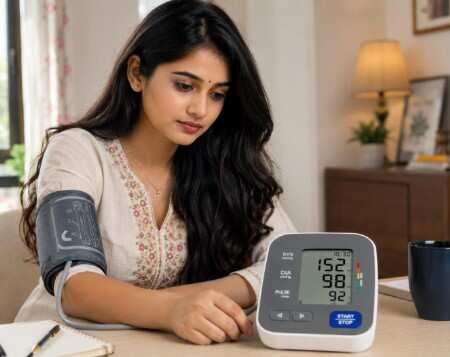
The first step is regular monitoring. Blood pressure checks should become as routine as checking body weight. Affordable digital blood pressure monitors now allow families to track readings at home.
Reducing salt intake is one of the simplest and most effective interventions. Experts recommend limiting processed foods and choosing fresh, home-cooked meals whenever possible.
Exercise is equally important. Brisk walking, cycling, yoga, swimming, or even 30 minutes of daily movement can improve cardiovascular health.
Yoga has gained recognition globally for helping reduce stress and improve overall well-being. Breathing exercises and meditation may support blood pressure management when combined with healthy habits.
Adequate sleep is another often-overlooked factor. Chronic sleep deprivation disrupts hormonal balance and contributes to hypertension risk. Adults should aim for seven to eight hours of quality sleep every night.
Stress management deserves equal attention. Mental health and physical health are deeply interconnected, yet conversations around emotional well-being remain limited in many Indian households.
The role of public awareness
Awareness campaigns like World Hypertension Day are essential because they encourage people to act before complications arise.
Schools, workplaces, residential communities, and healthcare institutions all play a crucial role. Regular screening camps, fitness initiatives, healthy cafeteria policies, and stress management workshops can create healthier environments.
Corporate India, in particular, must recognize the long-term impact of workplace stress and burnout. Preventive healthcare programs are not just employee benefits; they are investments in productivity and well-being.
Digital health technology can also support prevention efforts. Mobile apps, wearable devices, telemedicine platforms, and AI-driven health monitoring tools are making preventive care more accessible than ever.
However, healthcare access remains uneven across rural India. Many people still lack awareness, diagnostic facilities, or affordable treatment. Bridging this gap will require stronger public health infrastructure and community outreach.
A national health priority
India is currently facing a crucial juncture in its healthcare journey. Infectious diseases remain a challenge, but lifestyle disorders such as hypertension are rapidly becoming equally dangerous.
The good news is that hypertension is neither inevitable nor untreatable. Early detection, informed choices, and consistent medical guidance can prevent severe complications and save millions of lives.
World Hypertension Day should therefore serve as more than a symbolic observance. It should inspire families to prioritize preventive healthcare, encourage young people to adopt healthier habits, and push policymakers to strengthen public health systems.
The message is simple but urgent: know your numbers, listen to your body, and do not wait for symptoms to appear. Awareness is the first step towards survival in the battle against hypertension.
Disclaimer
Views expressed above are the author’s own.
END OF ARTICLE