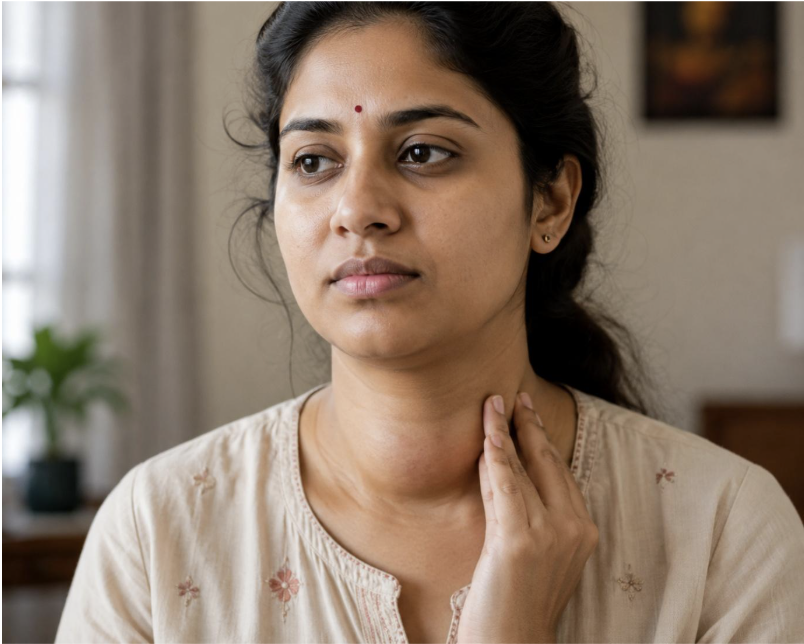
May 25 is World Thyroid Day. It shines a spotlight on a small butterfly-shaped gland in the neck that quietly controls some of the body’s most essential functions. From metabolism and heart rate to fertility, mood, weight, and energy levels, the thyroid plays a role far bigger than its size suggests.

Yet, despite affecting millions globally, thyroid disorders often go unnoticed—particularly in India, where symptoms are frequently dismissed as stress, aging, poor lifestyle, or hormonal fluctuations. Fatigue, sudden weight gain or loss, anxiety, hair fall, irregular periods, constipation, and brain fog are commonly brushed aside until the condition becomes severe.
According to estimates by the Indian Thyroid Society, nearly one in 10 Indians may suffer from thyroid-related disorders, with women disproportionately affected. What makes the problem more concerning is that many remain undiagnosed for years.
This World Thyroid Day, health experts are urging people to pay closer attention to the warning signs, understand the risks, and prioritize timely screening.
What exactly does the thyroid do?
The thyroid gland produces hormones—mainly T3 (triiodothyronine) and T4 (thyroxine)—that regulate metabolism. These hormones influence how the body uses energy and affect almost every organ system.
“When thyroid hormone levels are disturbed, the entire body feels the impact,” say endocrinologists across multiple studies and awareness campaigns.
An underactive thyroid, known as hypothyroidism, slows down bodily functions, while an overactive thyroid, or hyperthyroidism, speeds them up.
Both conditions can significantly affect quality of life if left untreated.
Why thyroid disorders are rising in India
Experts point to several factors contributing to the increasing burden of thyroid disease in India:
1. Lifestyle Stress and Poor Sleep
Urban lifestyles, chronic stress, irregular sleep cycles, and sedentary habits can influence hormonal balance and aggravate autoimmune conditions linked to thyroid disease.
2. Nutritional Deficiencies
Although iodized salt has reduced iodine deficiency in India, deficiencies in selenium, iron, zinc, and vitamin D can still affect thyroid health.
3. Autoimmune Disorders
Conditions like Hashimoto’s thyroiditis and Graves’ disease—where the immune system attacks the thyroid—are becoming increasingly common.
4. Environmental Factors
Exposure to pollution, endocrine-disrupting chemicals, and processed foods may also contribute to hormonal imbalances.
5. Greater Awareness and Testing
Doctors report that improved access to diagnostics has led to the identification of more cases than before.
Symptoms that should never be ignored
One of the greatest challenges with thyroid disorders is that symptoms are often vague and develop gradually.
Common signs of hypothyroidism:
- Persistent fatigue
- Weight gain despite no major dietary changes
- Dry skin and hair fall
- Depression or low mood
- Feeling unusually cold
- Constipation
- Irregular or heavy menstrual cycles
- Slow heart rate
Common signs of hyperthyroidism:
- Sudden weight loss
- Rapid heartbeat or palpitations
- Anxiety and irritability
- Excessive sweating
- Tremors
- Difficulty sleeping
- Increased appetite
- Frequent bowel movements
Because many of these symptoms overlap with everyday health complaints, people frequently self-diagnose or ignore them altogether.
Women face higher risk
Women are significantly more likely than men to develop thyroid disorders, especially during puberty, pregnancy, and menopause — periods marked by major hormonal changes.
Untreated thyroid disease during pregnancy can increase the risk of miscarriage, premature birth, developmental issues in babies, and maternal complications.
Doctors recommend that women with a family history of thyroid disorders or symptoms such as irregular periods, infertility, or repeated pregnancy loss undergo thyroid screening.
The mental health connection
Thyroid disorders don’t just affect physical health—they can also influence emotional and cognitive well-being.
Hypothyroidism is often associated with low mood, memory issues, and depression, while hyperthyroidism may trigger anxiety, restlessness, panic attacks, and irritability.
Mental health professionals say thyroid dysfunction is sometimes overlooked in patients presenting with psychological symptoms.
This overlap highlights the importance of holistic diagnosis rather than treating symptoms in isolation.
Why early diagnosis matters
The good news is that most thyroid disorders can be effectively managed once diagnosed.
A simple blood test usually detects abnormalities by measuring TSH (thyroid-stimulating hormone), along with T3 and T4 levels when required.
Often, treatment may involve:
- Daily thyroid hormone medication
- Lifestyle and dietary modifications
- Monitoring hormone levels regularly
- Managing underlying autoimmune conditions
Ignoring thyroid disease, however, can lead to serious complications, including infertility, heart disease, osteoporosis, nerve damage, and, in severe cases, life-threatening metabolic problems.
Social media health advice can be misleading
As thyroid awareness grows online, so does misinformation.
Social media is inundated with unverified claims, ranging from “thyroid detox” drinks to restrictive fad diets and miracle supplements, all promising instant hormonal balance.
Doctors caution against stopping prescribed medication or relying solely on alternative therapies without medical supervision.
“There is no magic cure for thyroid disorders,” experts repeatedly stress. “Evidence-based treatment and consistent monitoring remain the safest approach.”
Can lifestyle changes help?
While medication may be essential for many patients, lifestyle habits can support thyroid health and overall well-being.
Experts recommend:
- Eating a balanced diet rich in protein, fiber, and micronutrients
- Exercising regularly
- Managing stress through mindfulness or yoga
- Getting adequate sleep
- Avoiding smoking
- Limiting excessive processed food intake
People with thyroid conditions should also avoid making drastic dietary changes without consulting a doctor or nutritionist.
The need for greater awareness
Despite the high prevalence of thyroid disease, awareness remains surprisingly low, particularly in smaller towns and rural areas where symptoms may go untreated for years.
Health experts believe India needs:
- More public awareness campaigns
- Affordable screening programs
- Better access to endocrinology care
- Education around women’s hormonal health
- Stronger conversations around preventive healthcare
World Thyroid Day serves as a reminder that seemingly “minor” symptoms may point to larger health issues.
In a culture where exhaustion is often normalized and stress is worn like a badge of honor, listening to the body becomes even more important.
The thyroid may be small, but ignoring it can have consequences that affect every aspect of life.
As awareness increases, doctors hope that more Indians will transition from self-diagnosis to seeking timely medical advice, as early intervention can significantly impact thyroid health.
Disclaimer
Views expressed above are the author’s own.
END OF ARTICLE