“Look what I found!” a few days before Easter, a friend sent me an online advertisement for a workshop on making Indian-Hutsul pysanky. It sounded unusual, though not entirely unexpected. As someone who studies India, I know that Ukraine and India share many ancient cultural links, even if most of them are forgotten or little known today. Still, the idea of Indian-Hutsul pysanky immediately intrigued me.
But first, let me explain what pysanky are — and who the Hutsuls are.
A pysanka is a traditional Ukrainian Easter egg decorated with symbolic ornaments using wax and layers of dye. The word comes from the Ukrainian verb pysaty — “to write” — because the symbols are literally “written” onto the egg with a special stylus filled with beeswax and heated over a candle flame.
The process itself feels almost ritualistic. Amid the rush of Easter preparations, one has to sit down, calm oneself, and carefully draw intricate symbols on the fragile shell of an egg. There is something both miraculous and meditative about it.
Pysanky are not the only kind of Easter eggs in Ukraine. We also make krashanky — dyed eggs, traditionally red in colour. The name comes from the Ukrainian word krasyty, meaning “to colour” or “to decorate.”
The Hutsuls are a Ukrainian ethnic group who live in the Carpathian Mountains. Because these mountain regions were historically difficult to access, many traditions survived there better than in other parts of Ukraine. If you want to experience authentic Ukrainian customs — especially those connected to Easter or Christmas — taste distinctive local cuisine, or admire remarkable wooden architecture, you have to visit the Carpathians.
But let us return to pysanky and Easter.
My older daughter and I attended an event co-organized by the Borderland Center of the Ukrainian Catholic University and the Museum of Paraska Plytka-Horytsvit in the Carpathians. Paraska Plytka-Horytsvit was a Ukrainian naïve artist who, despite never having visited India, frequently referred to it in her works. The workshop combined motifs inspired by her art with traditional pysanka symbols.


Yet the event was not only about art.
We also spoke about the tradition of Rakhman Easter, once celebrated widely across Ukraine but preserved especially well in the Carpathians. Rakhman Easter falls 25 days after Easter Sunday and therefore always on a Wednesday. On that day, people once again eat eggs, as they do during Easter celebrations, and send the eggshells down rivers and streams to the mysterious Rakhmans.
And who are these Rakhmans?
“If you throw eggshells into the water on Easter, they’ll float all the way to a people who live beyond the seas and are called the Rahmans; they do not know when Easter is and wait for krashanky from Ukraine,” a woman from the Kyiv region told the Ukrainian ethnographer Oleksa Voropai nearly a century ago.
Voropai recorded similar testimonies in different regions of Ukraine. In some old Ukrainian chronicles, the Rakhmans are described as wise and deeply spiritual people living far away, and some researchers connect these descriptions with Indian Brahmins.
But how did our ancestors know about one another — two peoples separated by thousands of kilometres long before the age of the internet or even modern communication? And how could such memories survive in folklore for centuries?
These questions have stayed with me for weeks.


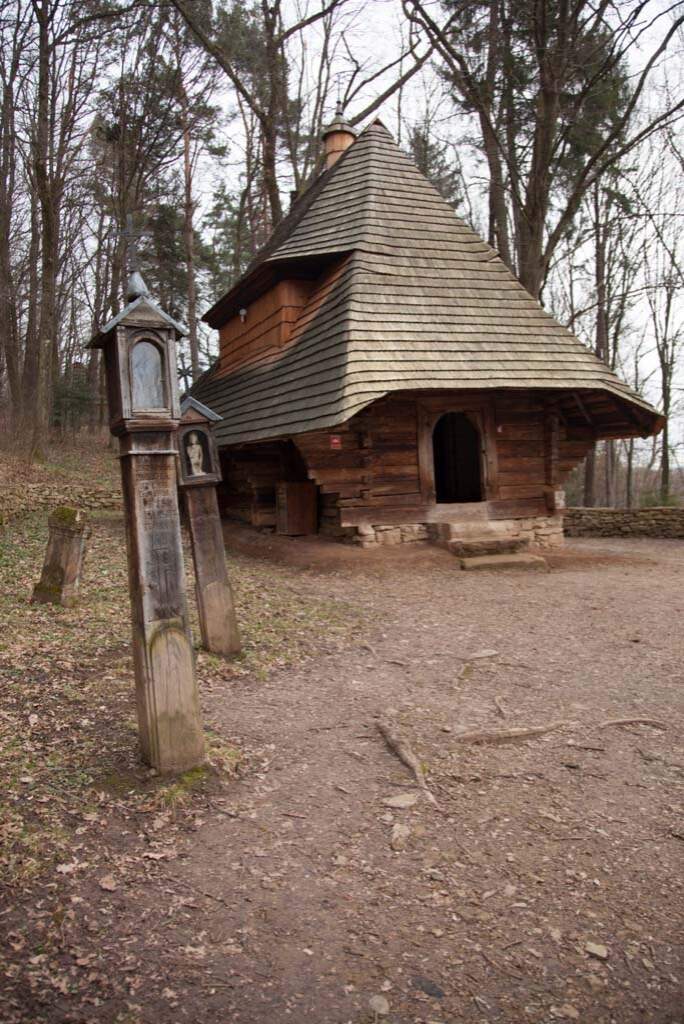
While thinking about them, I remembered another striking detail. Fifteen years ago, while travelling through Himachal Pradesh, my husband photographed a beautiful wooden temple that looked astonishingly similar to the wooden churches of the Carpathian region. Even the carvings seemed alike.


Learning about the partly forgotten tradition of Rakhman Easter made me feel that the bond between Ukraine and India may be deeper than we usually imagine. And yes, this year, the eggshells from our krashanky and pysanky also floated down the river toward the mystical Rakhmans. Catch it there if it comes.
Disclaimer
Views expressed above are the author’s own.
END OF ARTICLE