“Yoga is the journey of the self, through the self, to the self.” — The Bhagavad Gita
Yoga is not merely a physical exercise but a deeper philosophy of balance, mindfulness, and holistic well-being. What began as an ancient Indian practice thousands of years ago has today evolved into a global movement embraced across cultures, age groups, and lifestyles.
In a fast-moving world dominated by deadlines, screen fatigue, stress, and chronic health concerns, yoga has emerged as more than a wellness trend—it has become a necessity for many. Whether practiced in bustling cities, quiet homes, corporate offices, schools, or mountain retreats, yoga offers something increasingly rare in modern life: stillness.
The significance of the International Day of Yoga lies not just in celebrating postures or flexibility but in recognizing yoga’s enduring power to connect body, mind, and spirit.


The Indian roots of a global phenomenon
Yoga originated in India over 5,000 years ago and is deeply rooted in ancient texts such as the Vedas, Upanishads, and Patanjali’s Yoga Sutras. The word “yoga” comes from the Sanskrit root “yuj,” meaning “to join” or “to unite.” At its core, yoga represents the union of individual consciousness with universal consciousness.
Historically, yoga was never intended to be limited to physical poses alone. It was designed as a comprehensive path toward self-awareness and liberation. Traditional yoga encompasses ethical living, disciplined practice, breath control, meditation, and inner reflection.
Over centuries, different schools of yoga emerged—Hatha Yoga, Raja Yoga, Bhakti Yoga, Karma Yoga, and Jnana Yoga—each offering unique paths to inner balance.
Today, while many associate yoga primarily with asanas (physical postures), the true essence remains much broader: cultivating harmony within and around us.
Why June 21?
The International Day of Yoga was officially recognized by the United Nations in 2014 after a proposal by Narendra Modi, who highlighted yoga’s universal appeal and transformative potential. The proposal received unprecedented support from 177 member states.
June 21 was chosen because it marks the summer solstice, the longest day of the year in the Northern Hemisphere. In yogic traditions, this day carries spiritual significance and symbolizes the transition toward deeper consciousness.
Since the first global celebration in 2015, millions of people in countries worldwide have participated in mass yoga sessions, community events, workshops, and awareness campaigns.
From New Delhi to New York City, from Tokyo to Paris, yoga mats have become symbols of collective wellness.
Yoga in the age of burnout
Modern life has created a paradox: technological advancement has made life more convenient, yet stress levels continue to rise. Anxiety, poor posture, sleep disorders, obesity, and burnout have become widespread concerns.
This is where yoga stands out.
Unlike many fitness regimens focused solely on calorie burn or aesthetics, yoga addresses multiple dimensions of health.
Regular practice can help improve:
- Flexibility and mobility
- Muscle strength and posture
- Respiratory efficiency
- Stress management
- Sleep quality
- Mental focus and emotional resilience
Scientific studies increasingly support what yogic traditions have taught for centuries: conscious breathing and mindful movement can significantly improve overall health.
Simple practices like Pranayama, Surya Namaskar, and meditation can reduce stress hormones, lower blood pressure, and enhance emotional regulation.


Perhaps the greatest gift of yoga is not physical transformation but mental clarity.
In a world that constantly demands attention, yoga teaches us to return to the present moment.
More than fitness: Yoga as a lifestyle
One of the biggest misconceptions about yoga is that it is only for the flexible, athletic, or spiritually inclined.
The truth is far more inclusive.
Yoga is for:
- The student battling exam stress.
- The office worker sitting for 10 hours a day
- The older adult seeking mobility
- The athlete recovering from intense training.
- The parent balancing endless responsibilities.
Yoga adapts to the individual, not the other way around.
Its philosophy also encourages mindful eating, emotional awareness, discipline, compassion, and self-observation. In this sense, yoga extends beyond the mat into daily living.
Can you breathe consciously while in traffic?
Can you remain calm during conflict?
Can you observe thoughts without reacting immediately?
These, too, are yoga.
The digital yoga revolution
The last decade has transformed how yoga is practiced and consumed. Online classes, fitness apps, YouTube tutorials, and virtual communities have made yoga more accessible than ever.
The pandemic accelerated this shift dramatically. When gyms shut down and isolation increased stress levels, many turned to online yoga sessions for physical movement and emotional grounding.
Today, a beginner in a small town can learn from instructors across the world with just a smartphone and internet connection.
This digital democratization has helped yoga reach younger audiences, including Gen Z, who increasingly value mental wellness alongside physical health.
However, accessibility comes with responsibility.
Experts often emphasize that proper guidance matters—especially for beginners or people with injuries. Alignment, breath coordination, and consistency remain crucial for safe practice.
India’s soft power and yoga diplomacy
Yoga has also become one of India’s most influential cultural exports.
Much like cuisine, cinema, and spirituality, yoga has strengthened India’s global identity. International Day of Yoga has evolved into a form of cultural diplomacy, showcasing India’s ancient knowledge systems as relevant solutions for modern problems.
The growing global interest in Ayurveda, meditation, mindfulness, and holistic healing has further amplified yoga’s influence.
This signifies a significant change in our understanding of wellness.
People are increasingly moving from reactive healthcare—treating illness after it occurs—to preventive health practices that promote long-term well-being.
Yoga sits at the center of this shift.
Why yoga matters now more than ever
The world today faces collective challenges—mental health crises, lifestyle diseases, social fragmentation, and environmental stress.
Yoga offers no magical cure.
But it offers tools.
Tools to pause.
Tools to breathe.
Tools to become aware.
Tools to reconnect with ourselves.
And perhaps that is why yoga continues to endure across generations.
It speaks to something fundamentally human: the search for balance.
On this International Day of Yoga, the invitation is simple.
You do not need perfect flexibility.
You do not need expensive equipment.
You do not need hours of spare time.
Sometimes, all it takes is five minutes of mindful breathing.
A single stretch.
A moment of silence.
A conscious inhale and exhale.
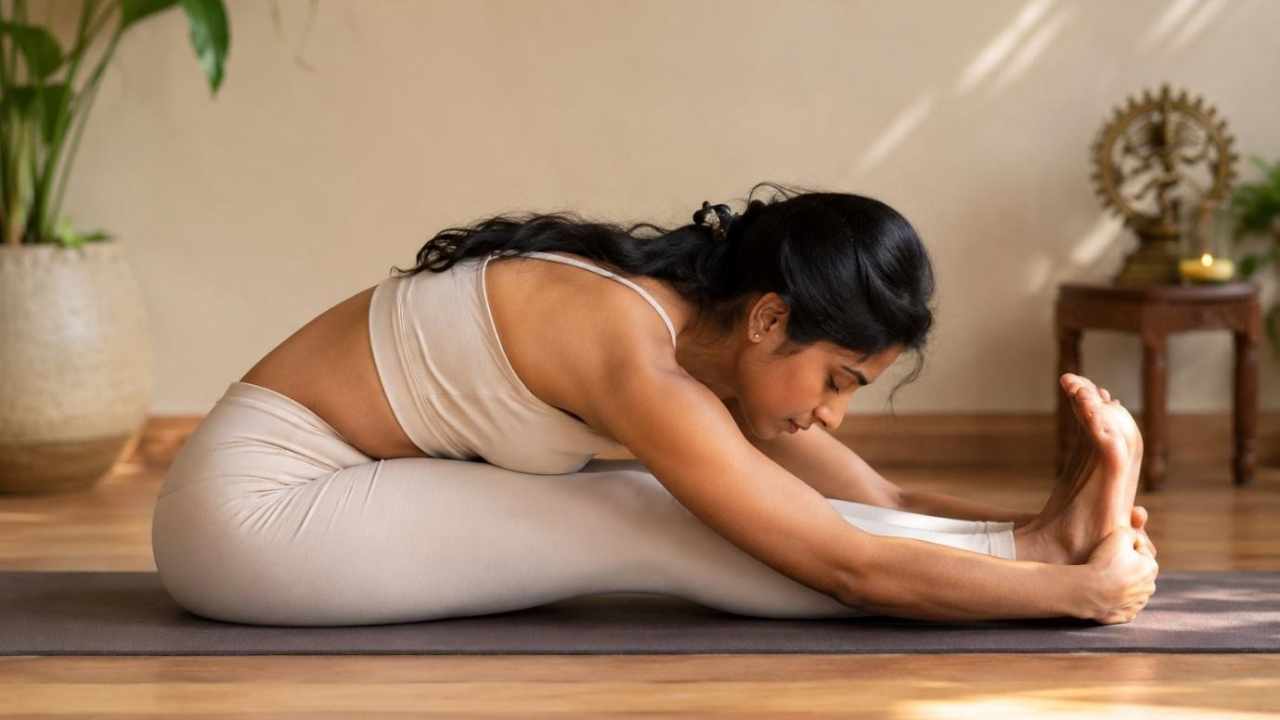
Because yoga ultimately is not about touching your toes.
It is about what you learn on the way down.
As the world rolls out its yoga mats once again on June 21, one message becomes clear: in an age of constant movement, perhaps true strength lies in stillness.
Disclaimer
Views expressed above are the author’s own.